
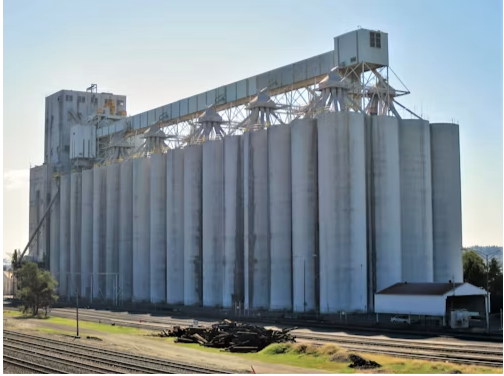

Grain handling systems are essential for moving, storing, and managing harvested crops efficiently. The right equipment can help protect grain quality, reduce waste, improve workflow, and support safer agricultural operations. With many different systems available, choosing the best solution requires careful consideration of your storage needs, grain volume, and long-term goals.
Understand Your Grain Handling Systems Requirements
The first step in choosing grain handling systems is understanding how your operation works. Different farms and storage facilities have different requirements based on crop type, storage capacity, and the amount of grain being moved.
Consider how much grain you handle during peak seasons, how frequently transfers occur, and whether your system needs to support loading, unloading, drying, or storage processes. Selecting equipment based on your actual needs helps prevent investing in a system that is too small, inefficient, or unnecessarily expensive.
Choose Equipment That Matches Your Capacity
Grain handling equipment is available in different sizes and capacities. A system designed for a small operation may struggle to keep up with larger grain volumes, while oversized equipment may increase costs without providing practical benefits.
The right system should provide enough capacity to handle your busiest periods without creating delays. Reliable performance during harvest season is especially important because slow handling can affect productivity and crop management.
Consider Grain Protection Features
Maintaining grain quality should be a major priority when selecting handling equipment. Rough movement, excessive impact, or poor system design can cause cracks and damage that reduce the value of stored crops.
Look for systems designed to handle grain gently while maintaining a steady flow. Equipment that supports proper distribution, reduces unnecessary stress on kernels, and helps maintain storage conditions can contribute to better crop preservation.
Evaluate System Efficiency And Energy Use
Operating costs are an important part of any agricultural investment. Efficient grain handling systems can help reduce energy consumption and improve overall productivity.
Consider the power requirements, operating speed, and performance of different equipment options. A system that moves grain efficiently while using resources effectively can provide savings over the long term.
Prioritise Safety And Reliability
Grain handling involves heavy machinery, moving parts, and potentially hazardous environments. Choosing equipment with strong safety features helps protect workers and reduce operational risks.
A dependable system should also be built for regular use and changing conditions. Durable materials, quality construction, and reliable components can reduce downtime and minimise unexpected repairs.
Look For Easy Maintenance And Support
Maintenance requirements should be considered before choosing any grain handling system. Equipment that is difficult to inspect, clean, or repair can create unnecessary challenges during busy periods.
A good system should allow straightforward maintenance and provide access to replacement parts and technical support when needed. Reliable after-sales service can make a significant difference throughout the equipment’s lifespan.
Consider Future Expansion
Agricultural operations often grow over time, so it is useful to choose a system that can adapt to future needs. A flexible grain handling setup can allow additional storage, increased capacity, or upgraded components later.
Planning for future requirements helps avoid replacing equipment prematurely and allows the system to continue supporting your operation as it develops.
Choosing the best grain handling system involves balancing performance, durability, efficiency, and safety. By considering your current requirements and future plans, you can select equipment that improves productivity while protecting the quality of your stored grain.